Inside the Fab Without the Fab: Semiverse® Solutions Preps Top Engineering Talent for What’s Next
As AI proliferates across every sector of the economy, U.S. semiconductor manufacturers face a real challenge: The chips that power AI require top-notch engineering talent that is in short supply.
While many U.S. colleges and universities offer semiconductor engineering courses, most can’t provide students with the practical experience of working on next-generation devices in fabs that is crucial as they begin their careers.
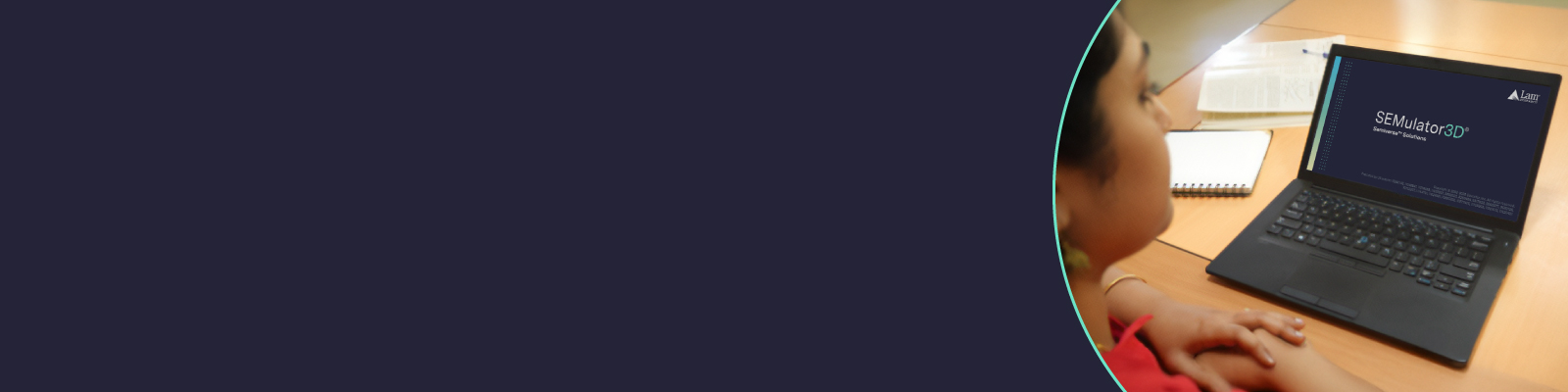
Lam Research is bridging this learning gap between theory and hands-on experience by collaborating with U.S. educational institutions and providing them SEMulator3D®—a modeling platform from the Semiverse® Solutions suite. These educational institutions include Electrical and Computer Engineering at Cornell University, Stanford University, University of California Berkeley, University of California Los Angeles (UCLA) Samueli School of Engineering, and University of Texas at Austin.
Joseph Ervin, managing director of U.S. Semiverse Solutions, says in the SEMulator3D virtual environment, students not only learn the “whats” and “hows” of process integration, but also the “whys.”
"How do the steps come together in a sequence for the technology you're putting together?” he asks.
At one U.S. university that uses the most advanced and newest version of the virtualization tool, graduate students learn about the whole process, from starting silicon wafers all the way to finished CMOS wafers.
In a typical course lab, these students couldn’t visualize these processes or learn how the steps come together in processes such as generating a sidewall spacer.
“On a wafer, a specific structure can be built in many ways. There are always tradeoffs,” Ervin says. “Making those choices, understanding why you're making those choices, is what we want to help convey to students.”
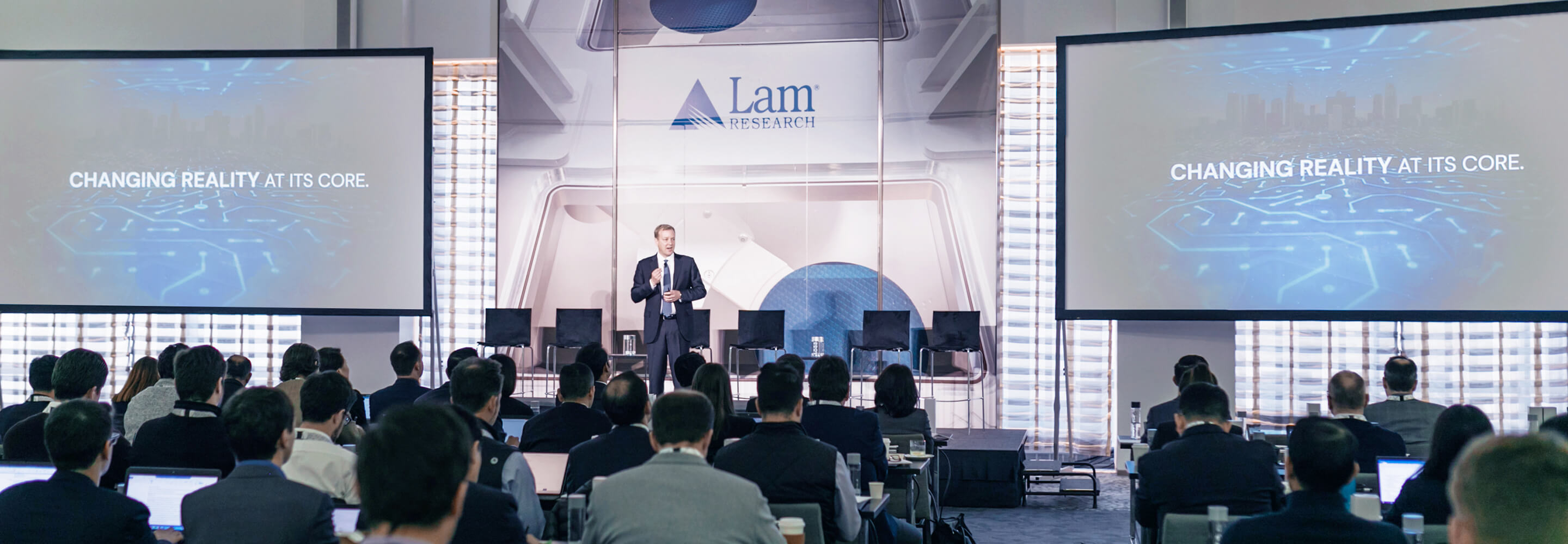
In his keynote at SEMICON West earlier this month, Sesha Varadarajan, senior vice president of Lam's Global Products Group, shared that the above-mentioned U.S. universities are using Semiverse Solutions not only in academic curricula, but also deploying it in research, with more universities to come.
"The great part about SEMulator3D is that it runs on student laptops,” Ervin says. “So students have access, no matter where they are in the U.S. or the world, to study and work on virtual fabrication.”
Students’ experience with SEMulator3D gives them a competitive edge, as they bring practical skills and familiarity with cutting-edge tools to their future roles, Ervin says.