-
about
-
products
-
customer support
-
careers
-
investors
-
newsroom
-
Languages
- MyLam

Blog
- Silicon is the second most common element in the earth’s crust, exceeded only by oxygen
- Nearly all microchips begin as slices of highly purified silicon

The Semi 101 series is a beginner’s guide to understanding microchips and the semiconductor industry – from components to processes and everything in between.
Silicon, a chemical element, is needed to manufacture the microchips found in devices we use every day, from toasters, to cell phones, to self-driving cars. It’s a critical component because silicon is a semiconductor, meaning it conducts electricity, but only under certain conditions.
- Because of its low cost and ease of production, silicon is the most widely used semiconductor in electronic devices.
Processing Silicon
Silicon used to manufacture chips:
- Starts as specially quarried silica sand
- Must contain less than one non-silicon atom out of every billion atoms—at least 99.9999999% pure, also referred to as nine-nines or 9N
Silicon is purified by heating silica sand until it becomes metallurgical grade silicon (MG-Si), which is then additionally processed into ultrapure electronic grade silicon (EG-Si).
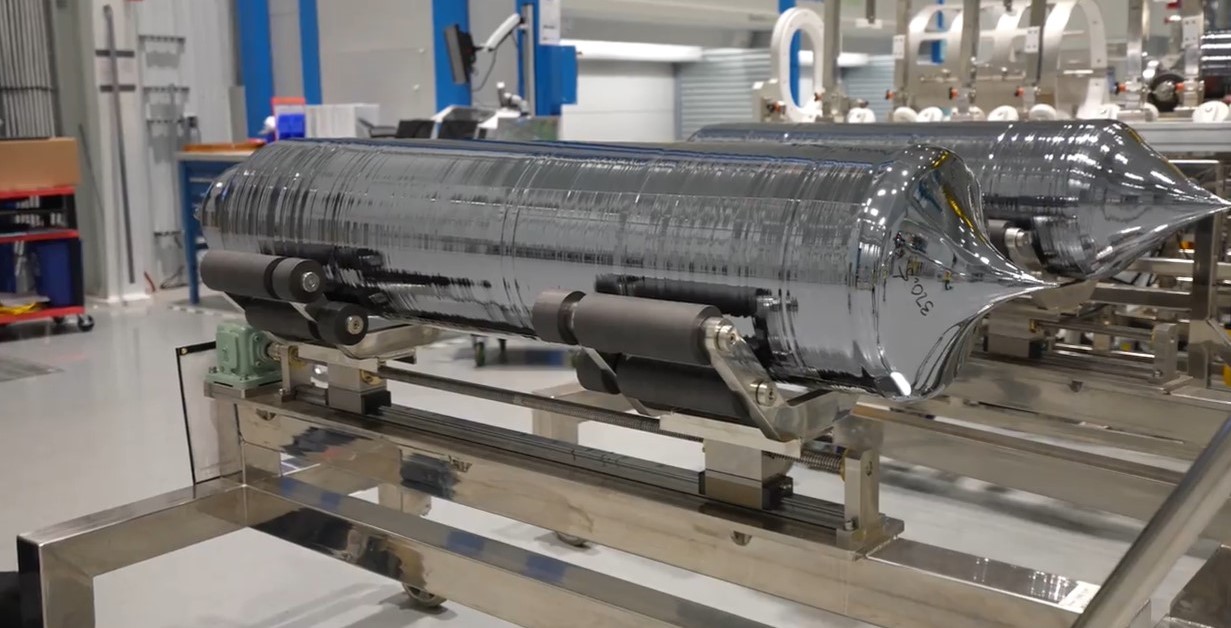
A ”silicon crystal” produced at Silfex
The process used to build nearly all modern chips begins with slices of highly purified silicon ingots called “boules” or “silicon crystals.” A single perfect silicon seed crystal is dipped into a pool of molten silicon and slowly extracted, resulting in the cylindrical boule that can then be sliced into wafers.
- Wafers are usually 300 mm (almost 12 in.) in diameter, which typically holds 148 chips, each 20 mm x 20 mm.
- Wafer surfaces are polished to the atomic level, and wafer edges are shaped to remove cracks and chips.
EG-Si is also used to make parts for semiconductor manufacturing tools, such as those used in etching of wafers in the chip manufacturing process. Using parts made of silicon eliminates wafer contamination during the etch process, because no non-silicon material is redeposited on the wafer.
Lam’s Involvement
Silfex (a division of Lam) is the world’s largest custom silicon components growing and manufacturing facility. Because Lam manufactures etch equipment and the silicon parts used within that equipment, we are able to optimize the performance of both.
- Lam designs silicon parts to maximize lifetime of use, reducing customers’ maintenance costs and increasing etch equipment uptime.
Related Articles
top image by wolfgang_hasselmann.