-
about
-
products
-
customer support
-
careers
-
investors
-
newsroom
-
Languages
- MyLam

Blog
The Semi 101 series is a beginner’s guide to understanding microchips and the semiconductor industry – from components to processes and everything in between.
The terms “fab” and “foundry” are often used interchangeably, but that’s technically incorrect. Knowing the difference is important so you can better understand how Lam caters to different semiconductor companies.
- Fabs (short for “fabrication”) are facilities in which semiconductor products are manufactured.
- Fabless companies focus on designing chips. They partner with other companies (foundries) for the manufacturing phase.
- Foundries are companies that manufacture semiconductor products as a service. They do not design chips.
- Integrated device manufacturers (IDMs) design and manufacture their own chips in their own fabs.
The big picture: Demand for more advanced chips continues to grow and so do the expenses of building and maintaining the highly controlled environments needed to fabricate such chips.
- Micron, for example, intends to spend $15 billion to build a leading edge memory fab in Idaho.
Because fabs are expensive to build and maintain, the companies that own them must keep them operating at near-100% capacity to maximize efficiency and minimize cost. To do so, many fabs partner with rapidly-growing businesses focused on design.
Why it matters: Fabless companies, foundries, and IDMs rely on Lam (and companies like ours) to create the advanced equipment used to fabricate the chips they design and produce. As chip designers push the boundaries of what’s considered possible, foundries’ methods must keep pace.
- This means Lam’s equipment must always meet the latest design and manufacturing demands.
Lam's Role
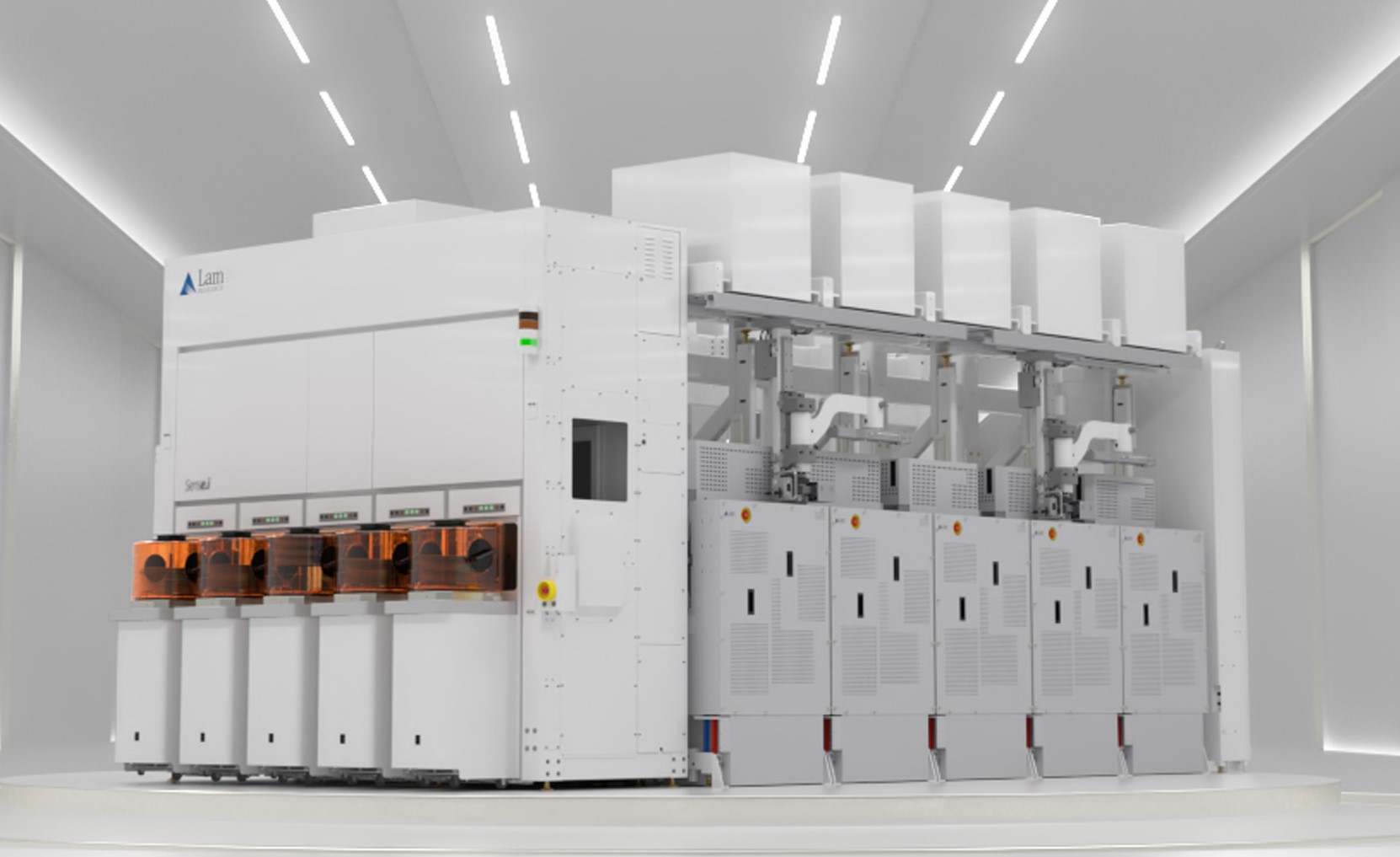
Lam's Sense.i tool is one of many of our products installed in fabs around the world.
Lam meets the challenges of servicing our foundry and fab customers several ways.
Proximity: Fabs run continuously, and Lam’s tools are extremely complicated machines. To reduce expensive downtime for our customers, Lam must respond quickly.
- That’s why Lam locates offices close to customer fabs.
Collaboration: We partner with chip designers and manufacturers early and often. Lam also teams up with suppliers, universities, and research facilities to accelerate progress across the semiconductor ecosystem.
- Working side-by-side with stakeholders and industry experts allows Lam to qualify new devices, processes, and yield improvements with fewer learning cycles. This collaboration is exemplified in the opening of R&D labs in South Korea and India last year.
Acquisition: As chip design and fabrication methods evolve and advance, Lam remains prepared to enter markets as they emerge.
- Acquisitions, like that of Semsysco last year, are one avenue by which Lam enters expanding areas to meet expected growth and resulting customer demands.